The Sound of Art Nouveau
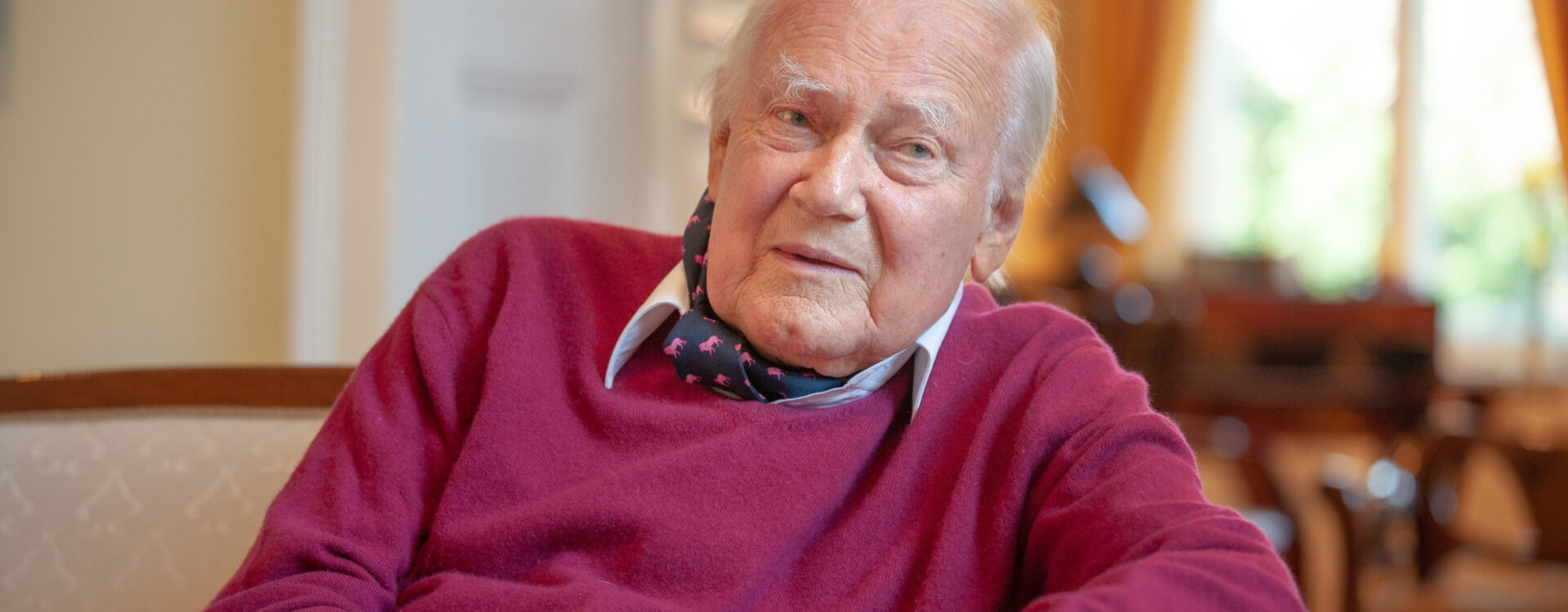
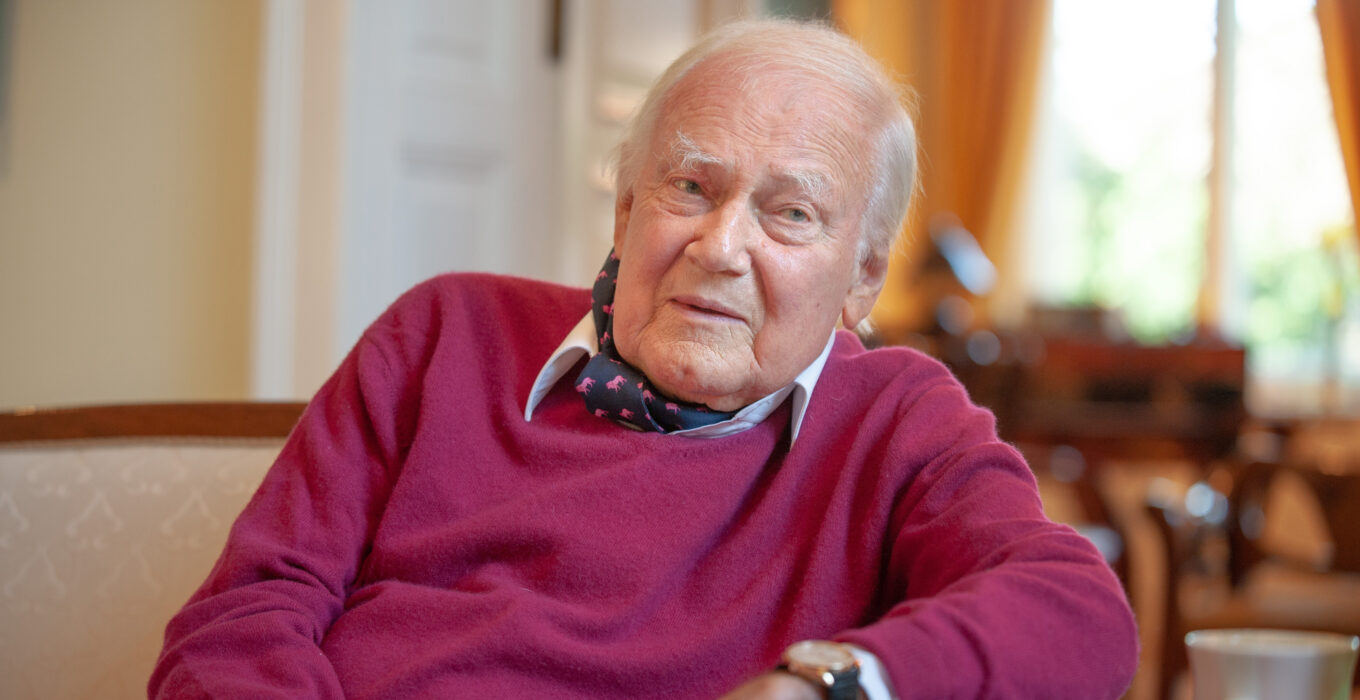
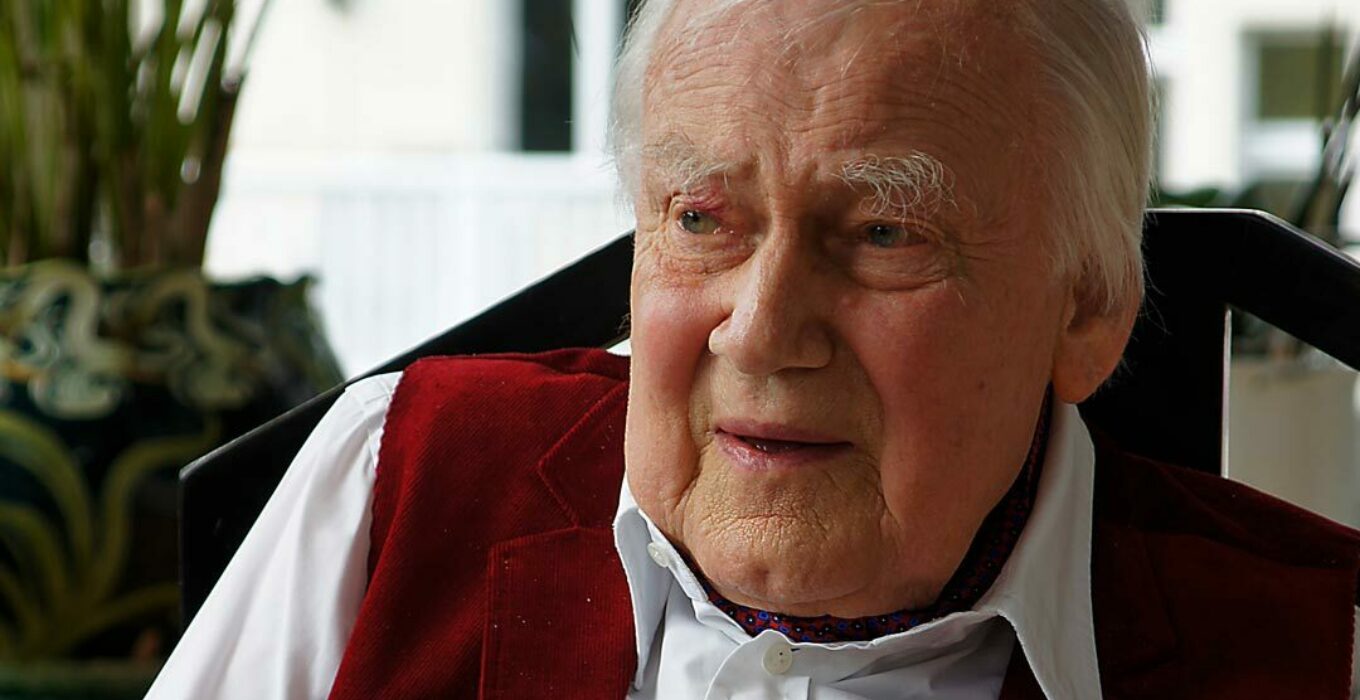
He loved Art Nouveau – the arts and the music of this era. It is a perfect match: the legacy of Ferdinand Wolfgang Neess, the exquisite Art Nouveau collection in the Museum Wiesbaden and the International Flute Competition, which was launched in his honor.
- 1 / 3
With a sense of good fortune, Ferdinand Wolfgang Neess once said:
Now I know where my collection will end up, and that gives me peace of mind.
At the time, the Wiesbaden patron was nearly 90 years old and had decided to donate his extensive Art Nouveau collection to the state of Hesse. A collection that undoubtedly ranks among the most impressive of its kind worldwide: delicate furniture and elegantly curved lamps, sculptures and candlesticks, paintings and glassware. It was a collection in which—and for which—Ferdinand Wolfgang Neess lived, for decades a white Art Nouveau villa in Wiesbaden had been his home. His love for this style developed early: Neess grew up in Bad Nauheim, a town where Art Nouveau, as in Wiesbaden, played a significant role. Already in the 1960s, he began collecting Art Nouveau objects—what would eventually become the largest private collection of Art Nouveau in Europe.
Just a few kilometers from his white villa, his exquisite collection found a new home in 2019: in the specially prepared south wing of the Landesmuseum Wiesbaden. The donation is estimated to be worth more than 40 million euros, and around 500 objects are on permanent display. The collection was inaugurated on the occasion of F. W. Neess’s 90th birthday, and since then, thousands of visitors from Germany and abroad have experienced this unique collection.
And so, even after the death of Ferdinand Wolfgang Neess in early 2020, his legacy and love of art live on, captivating people from all over the world and establishing Wiesbaden's position as one of the internationally influential centres of Art Nouveau. It also creates a bridge between art and music, particularly the flute music that was prominent during the Art Nouveau period, which deeply impressed Neess and which he himself practiced. In this way, everything comes together perfectly: the man, the art, the music. Happiness. And all of it in Wiesbaden.
Art Nouveau and Flute Music
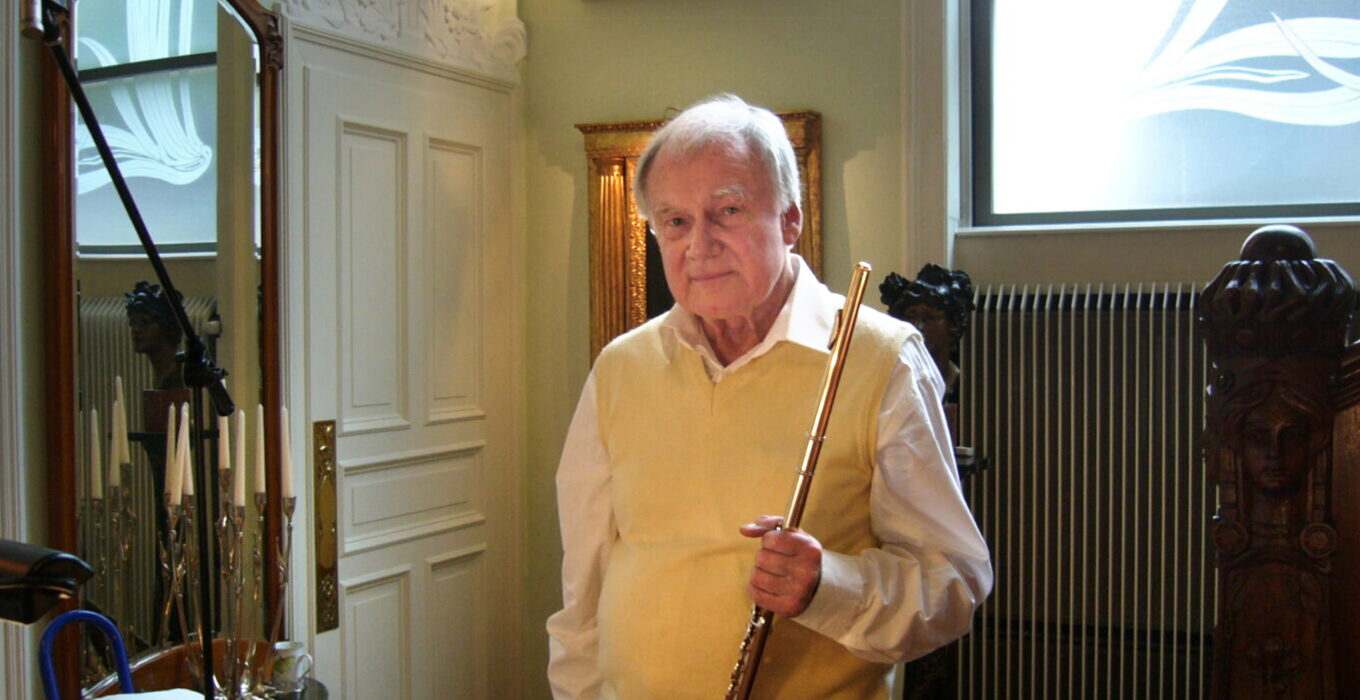
In Ferdinand W. Neess’ life, two areas played essential roles: his Art Nouveau collection and his flute playing.
In the life’s work of Ferdinand Wolfgang Neess, his Art Nouveau collection and his music-making as a flutist played central roles.
The following quote aptly describes his relationship with music:
“I repeatedly experience the immateriality of music as an enormous relief compared with the material and financial burdens imposed on me by the collection. In the world of sound, I can continually regain my focus and recover. Above all, it gives me inner strength when I flourish while playing the flute. These may be only brief moments, yet I still experience musical highs as something enormously inspiring.”
Ferdinand W. Neess
An art lover. Art Nouveau. Flute music: an inseparable liaison. Around 1900, this revolutionary art movement provided answers for a utopian, aesthetically determined form of society that sought to remove the boundaries between life and art, and it also found expression in music – for which the flute was a defining instrument. Thus, the question of ‘why’ seems to answer itself before it is even asked: because Art Nouveau, music and the passion of Ferdinand Wolfgang Neess simply belong together. Inseparably and for all time.
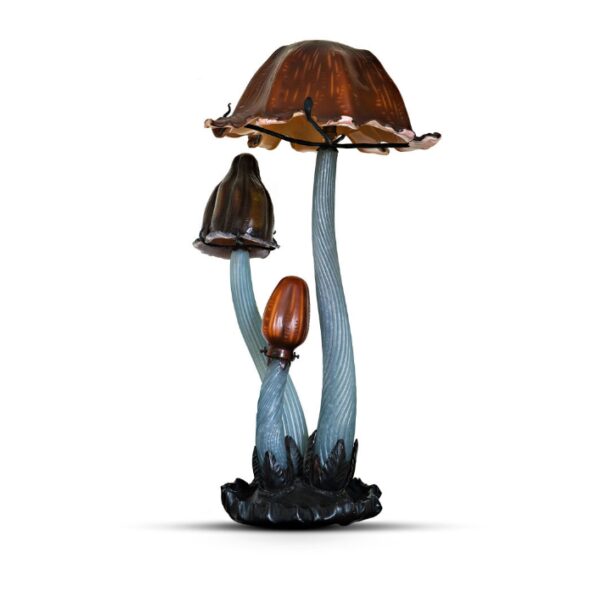
Émile Gallé Lampe Les Coprins (Mushrooms), ca. 1902
Cased glass with silver inclusions, hot-worked, cut, wrought-iron mounting
Museum Wiesbaden, Sammlung Ferdinand Wolfgang Neess
Photo: Markus Bollen
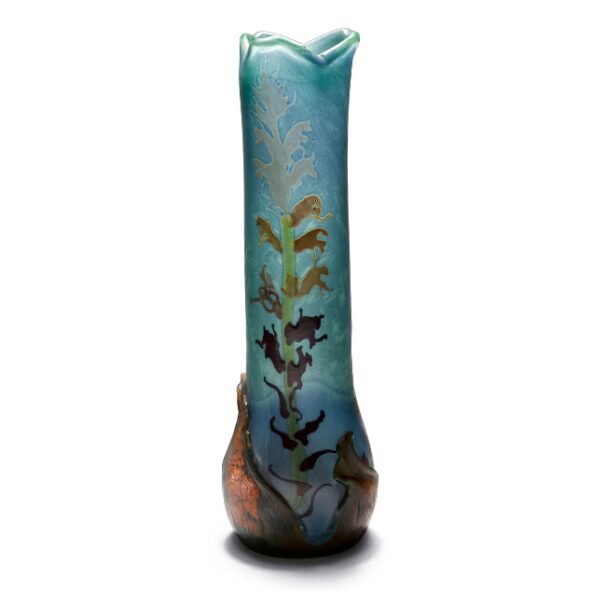
Émile Gallé (1846—1904), Vase Orobanche, ca. 1899
Cameo glass, cut, glass dust and gold foil inclusions, Marquetry decoration, inscription
Museum Wiesbaden, Sammlung Ferdinand Wolfgang Neess
Photo: Markus Bollen